What's The Most Creative Thing That Are Happening With Single Bunk Bed Mattress
Bunk Bed Mattresses For Single Sleepers Many bunk beds can be split into single beds. This is useful for siblings who no longer want to share bedrooms as they get older. Single bunk beds are available in twin over twin, twin XL and full mattress sizes. They can fit on most types of bed frames, and don't require box springs. Durability Bunk beds are the ideal way to maximize the space available in a room. However, the construction of the bunk beds can be a problem for some sleepers. This is why it's important to choose a mattress that is durable and can support the weight of multiple sleepers at once. 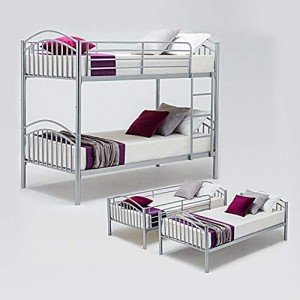 When selecting a mattress for a bunk bed, be aware of its firmness and the material it is made from. This will help prevent the mattress from collapsing over time or deteriorating. Be aware of the preferred sleeping patterns and body types for each sleeper. For instance back sleepers might want a firm or medium-firm bed that can conform to the body and provide adequate lower back support. On the other hand, side sleepers might require a slightly soft mattress that can support their shoulders and hips, and alleviate pressure points. Many single bunk mattresses are GREENGUARD gold-certified and free of harmful chemicals that could negatively affect indoor air quality. In addition, they are made in the USA and CertiPUR-US certified for their safety and durability. Most of these mattresses are smaller than standard mattresses and therefore ideal for bunk beds. This will prevent the mattress from pushing against the guardrails on top of the bunk, as well as preventing gaps between frame and mattress. It's best to purchase a single mattress for bunk beds that come with a sleep trial and warranty. This will give you the chance to try the mattress for a full year prior to making a purchase decision. If you're not happy with the mattress after the trial period, you are able to return it to get a full refund. Pressure Relief It's a great choice for both adults and children sharing a bedroom, but you need to make sure that the mattress offers sufficient support. A mattress that has moderate or firmness is ideal for most sleepers. The heavier people generally prefer a firmer mattress to ensure their spines are well aligned. A plush mattress can relieve pressure on hips and shoulders for those who sleep lightly. Bunk bed mattresses must be at least 7 inches thick for security. The top mattress can be placed below the guardrail as in accordance with CPSC guidelines. It also ensures that a person's head won't hit the mattress below as they sleep. There are a variety of mattresses that work well for bunk beds. They include hybrid, innerspring, and latex. Memory foam is popular because it offers comfort and pressure relief while still supporting the mattress frame. It's important to note that some memory foam mattresses can trap heat, so you'll want to look for one that has cooling layers such as gel infusions or air pockets. Latex mattresses have similar support to memory foam, but are more bouncy and bouncy. They're also environmentally friendly and provide superior motion isolation, resulting in better quality sleep. Memory foam mattresses with moderate to soft firmness are suitable for all body types and sleeping positions. It will contour to your body, while offering sufficient back support, as well as relieve pressure on hips and shoulders when you're a side sleeper. Capacity for Weight The capacity to support the weight of the mattress in bunk beds is a crucial factor to consider. Heavy mattresses can damage the frame of a bunk bed, or cause structural instability, which can put the safety of occupants at risk. The capacity of a bunk bed's weight also depends on how the mattress is used, assembled and maintained. Following manufacturer instructions and routinely inspecting the structure of the bunk bed for wear and tear will help to maintain its integrity and prevent the risk of injury. Bunk beds are typically used with twin-over-full-size mattresses, since they provide enough space for two children or adults to sleep comfortably. A thicker mattress may be required by heavier people to provide support and comfort. A memory foam mattress that has moderate firmness provides sufficient lower back support and pressure relief for sleepers who prefer to lie on their back or stomach. A bunk bed mattress should be at least 6 inches thick for top bunks. This range of thickness is a good compromise between headroom and safety as it minimizes the chance of an adult or child asleep hitting their head against the railing of the top bunk. The mattress materials differ between different models. The most popular types are memory foam, innerspring, and hybrid mattresses. Each type has distinct pros and cons, which should be considered when choosing the best mattress for you. Innerspring mattresses are a typical choice, as they're inexpensive and offer good support for the majority of sleepers. Hybrid and memory foam mattresses are a great option for bunk beds, as they provide excellent support and long-lasting. They are made to reduce motion transmission, which is great for couples who share bunk beds. Cooling Bunk beds are a great way to accommodate two sleepers in small spaces like dorms, apartments, or vacation homes. However, bunk bed mattresses come in a variety of sizes to accommodate single sleepers too. The best mattress will provide the best sleep. You should choose a mattress thickness that matches the specifications of your bunk bed to prevent gaps and ensure that it fits securely within the guard rails. Verify that the mattress can support the weight of the person sleeping on the top bunk. Most bunk bed frames can accommodate twin, twin XL, and full mattress sizes. While twin mattresses are great for teens, children, and adults who prefer a thinner mattress, twin XL mattresses provide the benefit of a more spacious sleeping surface. The extra 5 inches of length on these mattresses makes them more suitable for people who are taller and can work best in rooms that measure 9 feet 6 inches by 10 feet 6. Single bunk beds are usually comprised of a mix of comfort and transitional layers such as polyfoam and memory foam. Some mattresses feature cooling options like gel infusions or air pockets inside the material. Nolah Natural for instance, balances affordability with quality by combining organic cotton with wool and a layer responsive latex. This blend gives a comfortable and supple feel that appeals to most sleepers, while also helping them stay cool throughout the night. It is essential to select a mattress with a low-profile when you are looking for the perfect bed. A mattress that is too thick might not be able to fit into the guard rails of a standard bunk bed frame, and could pose safety concerns for those sleeping on the top bunk. Choose a mattress less than 8 inches in thickness to ensure that you don't overheat while sleeping. Edge Support There are several types of bunk bed frames, from classic twin-overtwin designs to full-over-full or king over king models. Regardless of style, most bunk beds require mattresses no more than 6 inches in thickness to accommodate the guardrails. This ensures that the top mattress's surface is at least 5 inches higher than the lower one. This prevents children or adults from slipping off the bunk's side. Since bunk beds are frequently used by two sleepers in the same space mattresses must offer superior noise isolation and motion control to ensure that everyone's sleep is uninterrupted. Memory foam mattresses, hybrids and latex models all have this feature. check it out conform to the body, are durable and breathable and include hypoallergenic and dust-mite-resistant materials. If kids or adults sleep hot and hot, a bunk mattress with cooling capabilities could assist. They typically have gel or graphite infusions that help to reduce heat build-up, and also layers of cooling material that draw moisture away from the body, keeping it cool. While some prefer a firmer feeling however, the majority of kids and adults sleep best on medium or soft mattresses. Memory foam or hybrid mattresses provide a balanced comfortable and supportive feel that eases pressure points and alleviates tension in hips and shoulders. Consider the Nolah Original 10 if you need a mattress for bunks that can be flipped to alter the firmness. It has a dual-sided design so you can pick between a medium and firm side. Bunk beds aren't just intended for rooms with kids. A bunk bed with a couch underneath is ideal for dorm rooms. These beds have an area for a sofa in the bottom of the bed, and can convert to the size of a queen-sized futon once it's time for guests to crash. They are less popular than the conventional bunk bed that stacks one mattress on top of another. However, they maximize space.